“Is Star Citizen worth it in 2026?” It’s the single most-asked question about the game, and the honest answer is: it depends on what you want. Star Citizen is the most ambitious space simulation ever attempted, and in 2026 it’s more playable and feature-rich than ever – but it’s still an alpha, still buggy, and still years from a full 1.0 launch. This guide cuts through the hype (and the hate) to give you a straight, up-to-date verdict so you can decide whether to spend your money.
The Short Answer
Yes – if you’re excited by unmatched scale, freedom, and immersion, and you can tolerate bugs and a learning curve. No – if you want a polished, finished, bug-free experience you can jump into for a quick, frictionless session. Star Citizen rewards patience and punishes impatience. Read on for the details.
What Star Citizen Actually Is in 2026
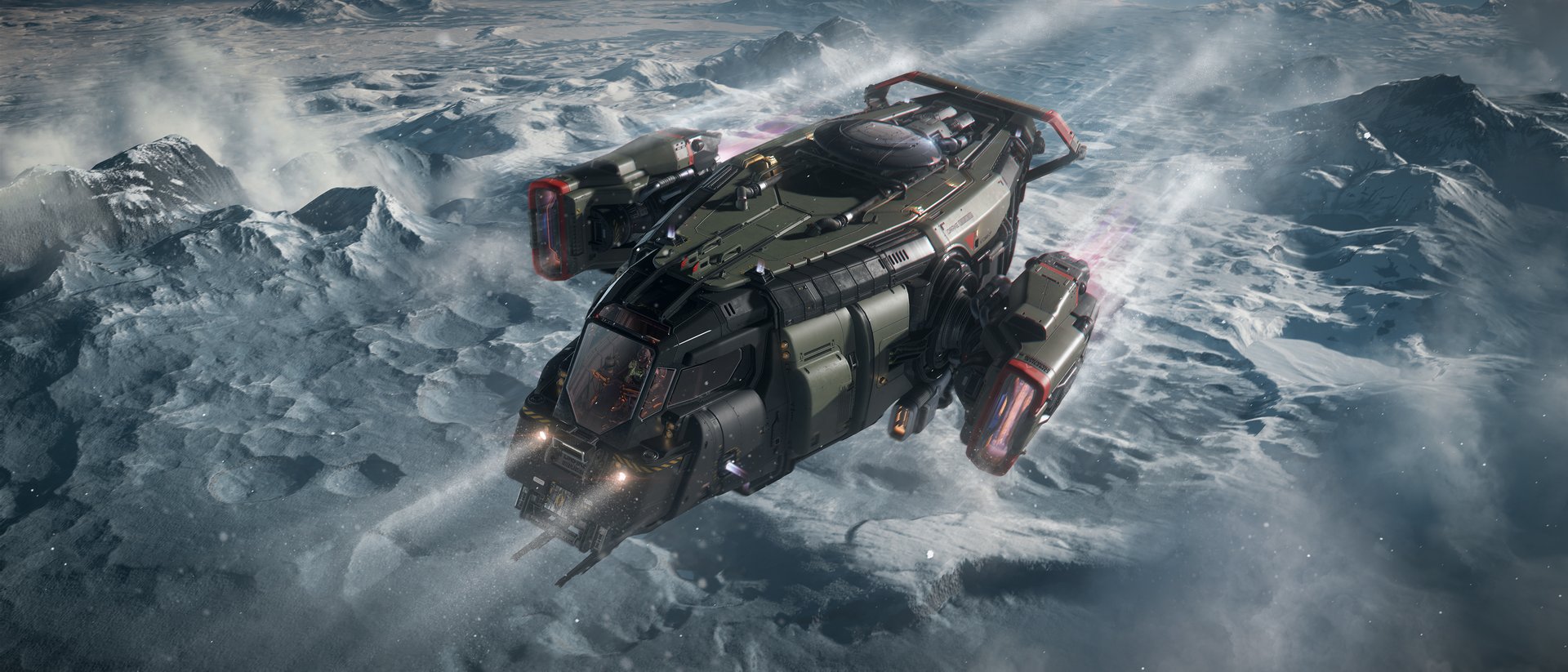
Star Citizen is a massively multiplayer space sim where you seamlessly transition from walking around a city, to boarding your ship, to flying across a star system, to landing on a planet and stepping out on foot – with no loading screens. In 2026 the universe spans three connected star systems: the relatively safe corporate home of Stanton, the lawless frontier of Pyro, and the cold, asteroid-dense alien territory of Nyx, with more systems (Castra and Terra) planned before 1.0.
The pillars of gameplay are all live to varying degrees:
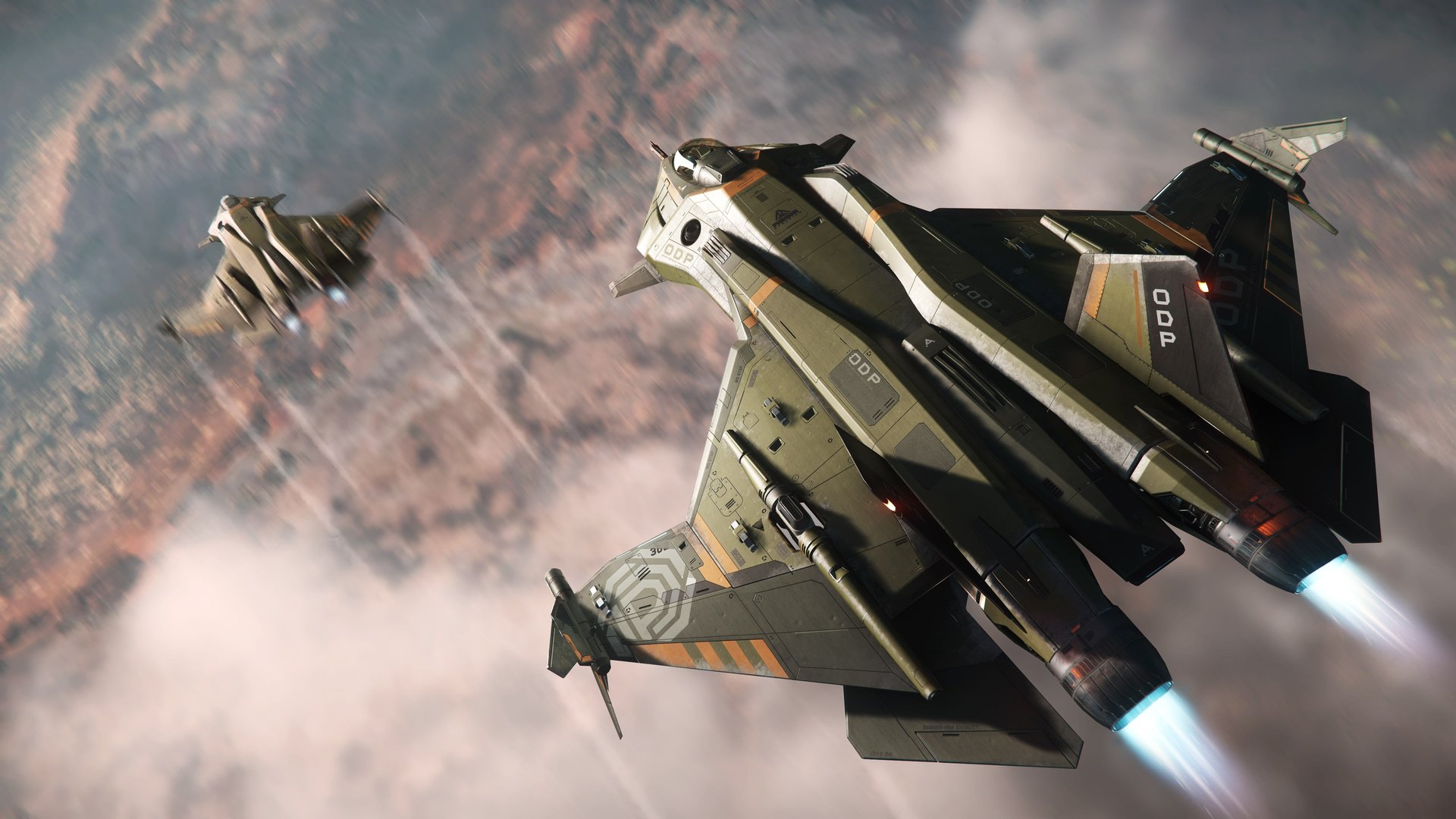
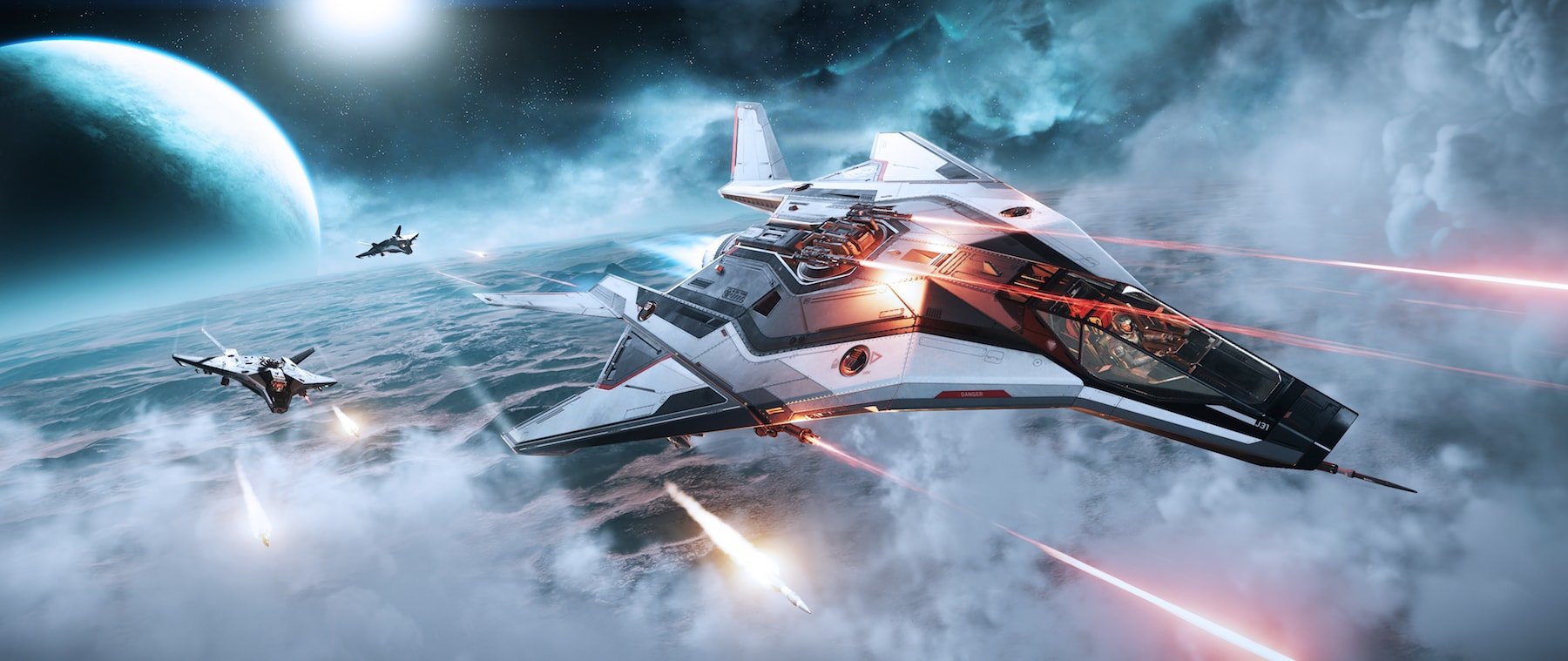
- Combat – dogfighting, FPS ground combat, and multi-crew capital ship battles.
- Trading & hauling – buy low, sell high, and move cargo across systems.
- Mining, salvage & now crafting – a full resource-to-manufacturing loop, with the new crafting profession letting you refine materials and build gear.
- Bounty hunting, exploration, racing, and medical/rescue play – there’s a career for almost every playstyle.
The big technical leap is static server meshing, which lets a mesh of servers share one world and pushes the player cap toward 500 per shard – meaning busier space and larger battles. Combined with three playable systems, the arriving crafting and base-building systems, and the single-player campaign Squadron 42 targeting a 2026 release, this is the most complete Star Citizen has ever been.
What Works Well
Reviewers and players broadly agree on the highs:
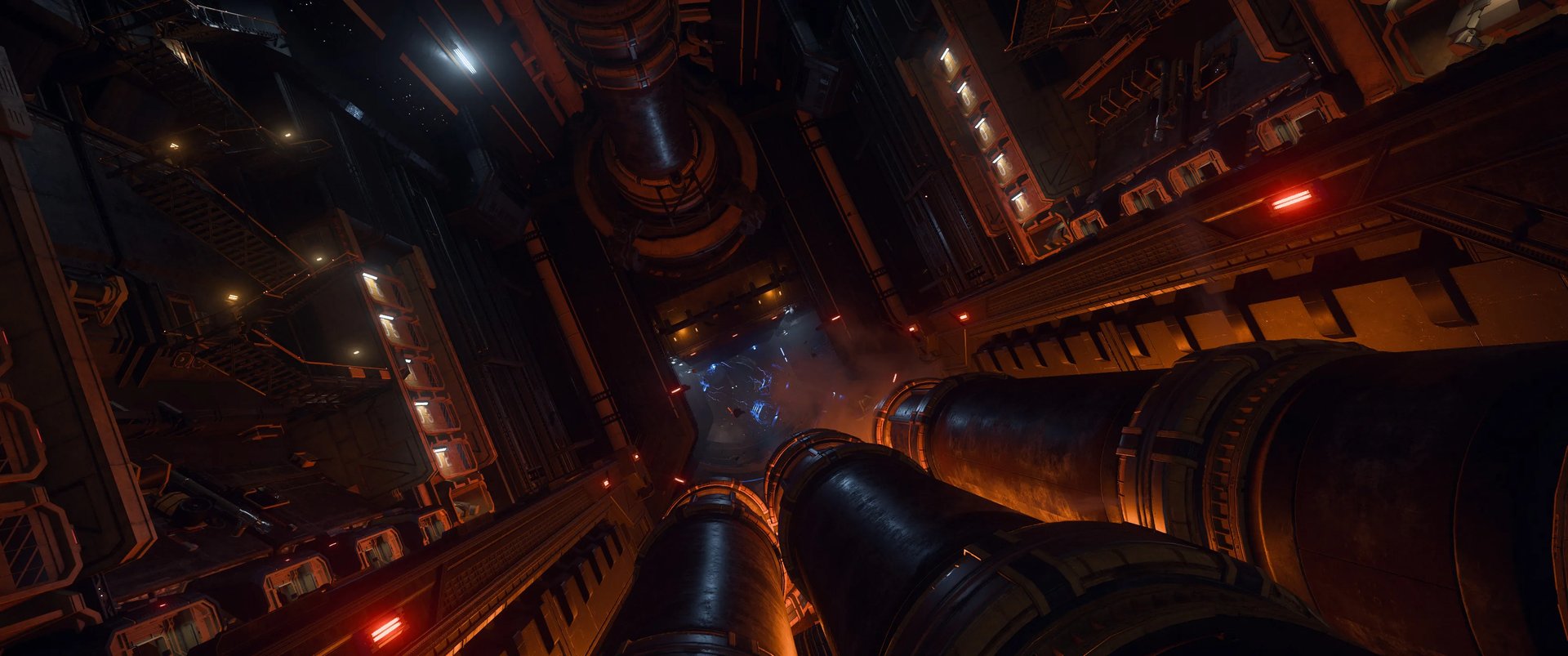
- Unrivaled immersion and scale. Nothing else lets you take a tram to a spaceport, board your ship, break atmosphere, and quantum-travel to another planet in one unbroken sequence. The fidelity of ships, cities, and cockpits is genuinely jaw-dropping.
- Gameplay variety. The breadth already rivals – and often surpasses – dedicated single-purpose space games.
- Stable enough for real sessions. For most gameplay loops, 2026 Star Citizen supports multi-hour play sessions without constant, run-ending frustration.
- VR support. Star Citizen’s presence and cockpit design translate beautifully to VR for players with the hardware.
- The community. Frequent in-game events, orgs, and a passionate player base make the ‘verse feel alive.
The Caveats (Read Before You Buy)
Being honest is the whole point of this guide, so here are the real downsides:
- It’s still an alpha. Most estimates place the full 1.0 release two to three years away (roughly 2027–2028).
- Bugs are a fact of life. The game can be impressive and frustrating in the same session; experienced players learn to work around known bugs.
- Wipes still happen. At least one more major progress wipe is expected before 1.0, so in-game earnings aren’t permanent yet.
- Learning curve. The controls, systems, and UI are deep and not always well explained – expect to spend time learning.
- The monetization is controversial. Ships sold for real money can run from ~$45 into the thousands, which understandably rubs some players the wrong way.
How Much Does It Cost to Try?
Here’s the good news: you don’t need to spend hundreds to find out if you like it.
- Free Fly events happen several times a year (Foundation Festival in July, Invictus in May, IAE in November, and more), letting you play for $0.
- The cheapest permanent game package starts at roughly $45–$60, which gets you a starter ship and permanent access – all you actually need.
- Everything above that (bigger ships, subscriptions) is optional. You can earn better ships in-game with time.
You do not need an expensive ship to enjoy the game. A cheap starter plus your own effort is enough to experience everything the ‘verse offers.
Whichever package you choose, new accounts get a 50,000 UEC head start when you sign up with referral code STAR-33Y6-YQX9. It's free money toward your first ship rentals and upgrades – there's no reason not to use it.
Who Should Buy In – and Who Should Wait
Buy in now if you:
- Love space sims and dream of scale, freedom, and immersion.
- Enjoy being part of an evolving project and don’t mind rough edges.
- Have a decent PC (an SSD and 32GB RAM are strongly recommended).
- Want to get familiar before Squadron 42 and 1.0 arrive.
Wait if you:
- Need a polished, finished, bug-free game.
- Get frustrated by crashes, wipes, or steep learning curves.
- Are on a low-end PC.
- Aren’t willing to spend any time learning the systems.
The Verdict
In 2026, Star Citizen is absolutely worth it for the right player – someone who values ambition, scale, and freedom over polish, and who treats it as an evolving journey rather than a finished product. The smart move is low-risk: try it free during a Free Fly event, and if it clicks, grab the cheapest starter package (with the referral bonus) rather than splurging on an expensive ship. That way you get the full experience for the price of a single indie game – and you can always upgrade later once you know you love it.
Star Citizen isn’t for everyone yet. But for those willing to meet it where it is, there’s genuinely nothing else like it.
Try Star Citizen for Yourself
Sign up today and claim 50,000 free UEC with our referral code – then jump in during the next Free Fly.